Dr. Huld
Dr. Huld is a defense lawyer who takes on Josef K.'s case at the urging of K.'s uncle, Karl, but his approach—built on personal connections with low-ranking court officials, endless procedural delays, and psychological domination of his clients—proves not only ineffective but actively damaging to K.'s chances. He represents the legal profession's complicity in the court's opaque and corrupt machinery, offering the illusion of defense while actually reinforcing the defendant's helplessness.
Identity and Introduction
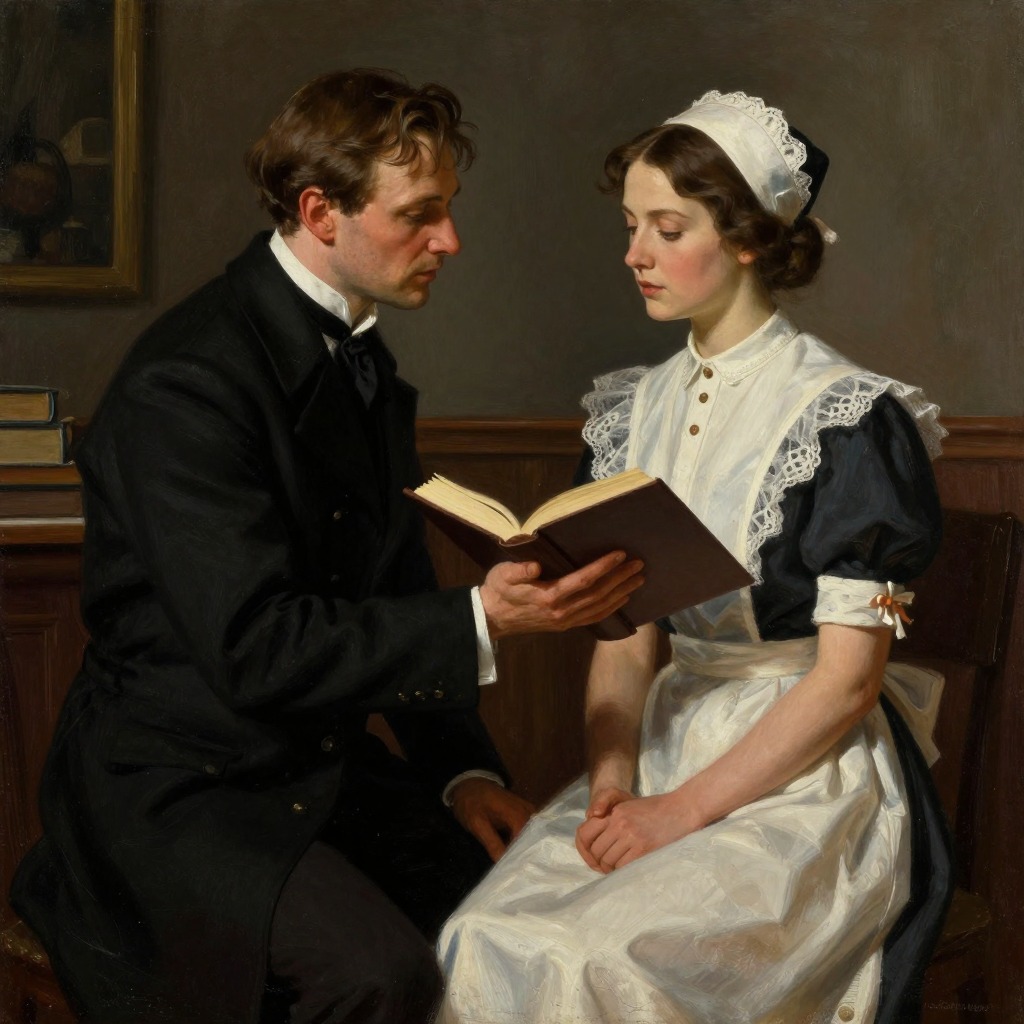
Dr. Huld is an old friend of K.'s uncle, Karl, who brings K. to him after learning of the trial. The lawyer is described as a man with a long beard, suffering from a heart condition that leaves him bedridden and weak. He lives in a dark, oppressive apartment attended by a young nurse, Leni, who is also his lover. Despite his illness, Dr. Huld claims to have extensive connections within the court, boasting that high-ranking officials visit him voluntarily to discuss cases. He presents himself as a specialist in this peculiar branch of law, one who works alone because he cannot trust anyone else to handle the delicate personal relationships that are the true currency of the court.
Methods and Philosophy of Defense
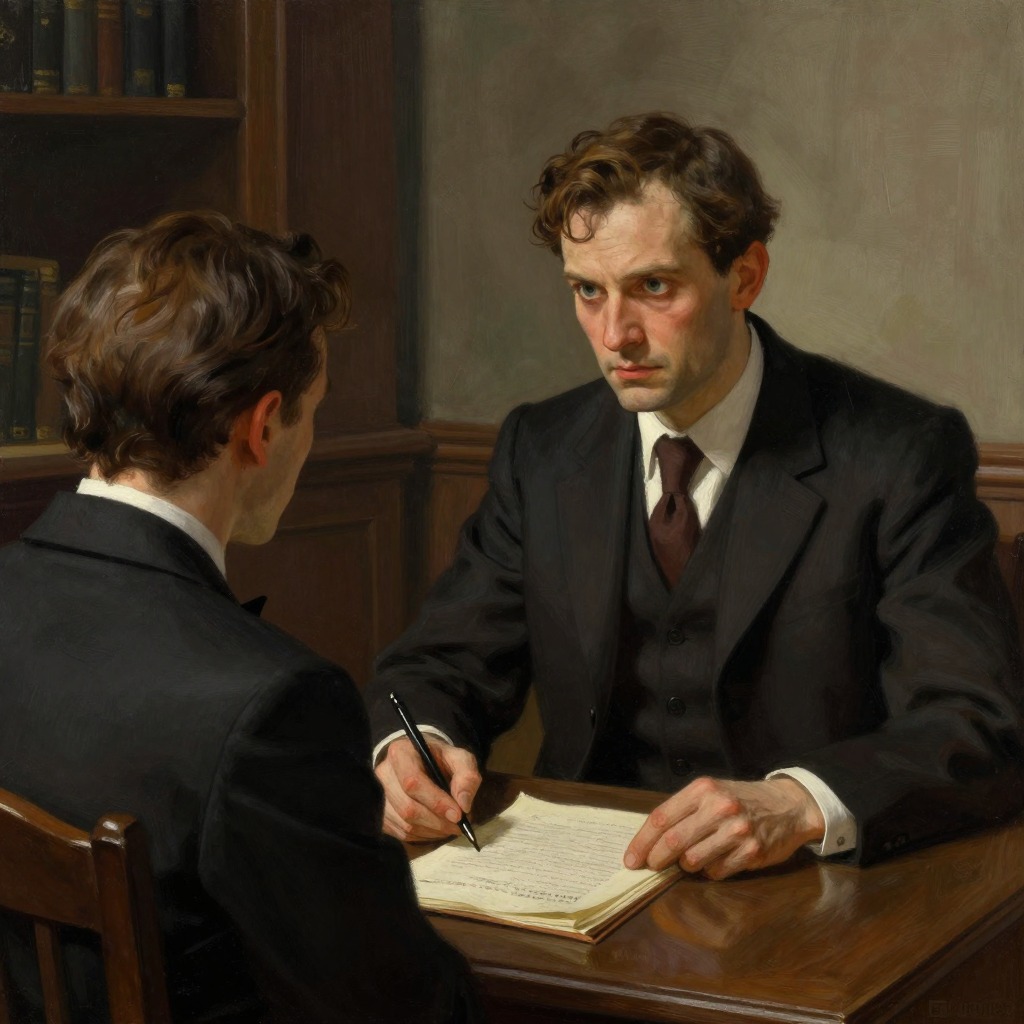
Dr. Huld's defense strategy is not based on legal argument or evidence but on cultivating personal influence with junior judges. He explains to K. that the court's proceedings are secret, that the accused has no access to the files, and that formal defense is barely tolerated. The only real value of a lawyer, he insists, lies in his personal contacts with officials, who can be swayed through private conversations. He describes a system where bribes are paid, information is leaked, and documents are sometimes stolen, though he claims to rely on more respectable channels. His speeches are long, repetitive, and filled with vague warnings and promises, leaving K. uncertain whether any progress is being made. He repeatedly tells K. that the first set of documents is being prepared but never submits them, using the delay as a way to keep K. dependent and passive.
Relationship with Josef K.
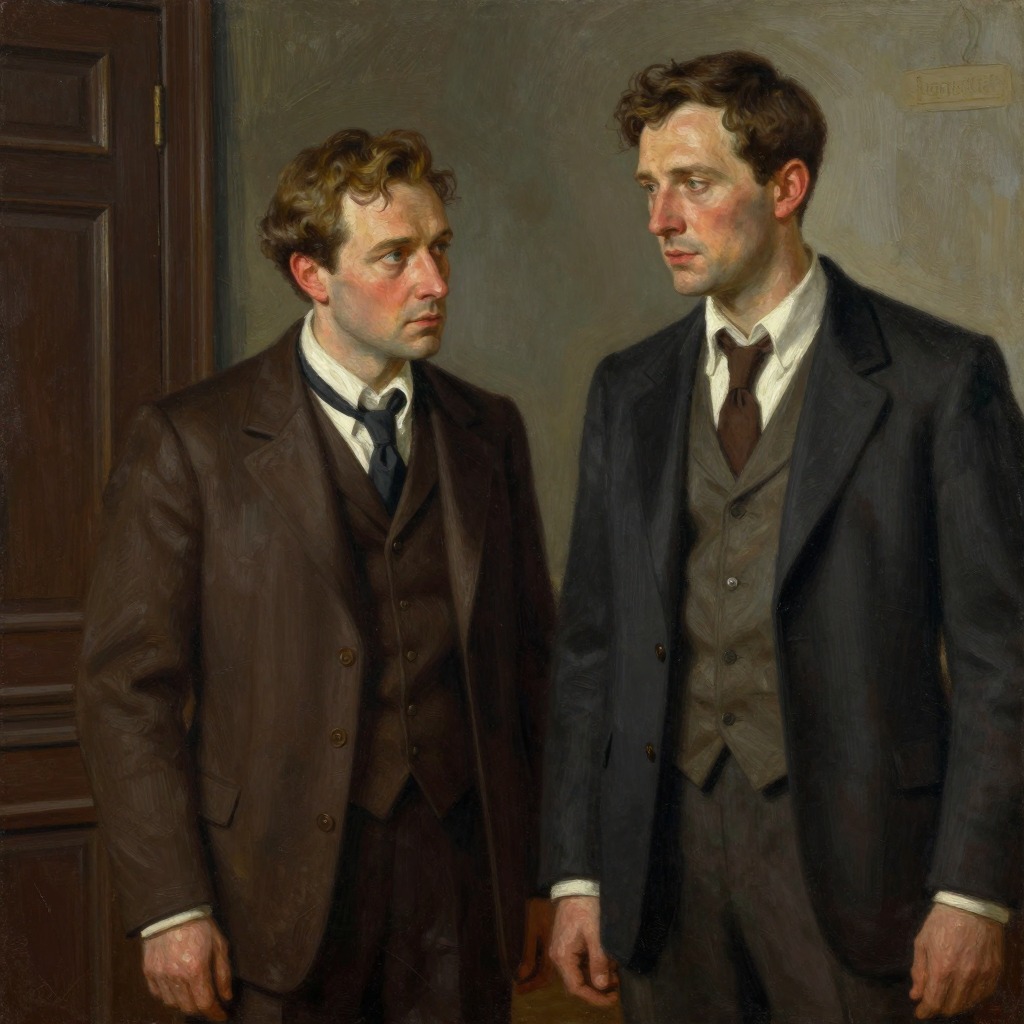
From the start, Dr. Huld treats K. with a mixture of condescension and theatrical concern. He lectures K. like a child, warning him not to attract attention or to try to interfere with the court's processes. When K. finally decides to dismiss him, Dr. Huld responds not by arguing the merits of his case but by staging a humiliating demonstration with another client, the businessman Block. He calls Block into the room and forces him to kneel, beg, and crawl, all to show K. what proper submission to a lawyer looks like. The scene is designed to break K.'s resistance and to prove that the lawyer's power over his clients is absolute. K. is disgusted rather than intimidated, and the display only confirms his decision to leave.
The Demonstration with Block
Block, a client who has been with Dr. Huld for over five years, is brought in to illustrate the lawyer's methods. He is a broken man, having spent his entire fortune on the case and now living in the maid's room of the lawyer's apartment, sleeping there so he can be available at any hour. Dr. Huld makes him kneel by the bed, interrogates him about his behavior, and has Leni report on his obedience. The lawyer tells Block that a judge has said his trial has not even begun, and that he is being deceived. Block's terror and groveling are meant to intimidate K., but they instead reveal the lawyer's cruelty and the degradation that his representation entails. K. watches in silence, understanding that this is the fate he has escaped.
Change and Ending
K.'s decision to dismiss Dr. Huld is final, and the lawyer's last attempt to win him back through the Block demonstration fails. After K. leaves, Dr. Huld is left alone with his illness and his compliant client, his power over K. broken. The lawyer's role in the story ends here; he does not appear again. His failure to help K. is complete, and his methods are exposed as hollow. The narrative suggests that the lawyer's connections and delays were never meant to achieve acquittal but to prolong the case indefinitely, keeping the defendant trapped in a state of anxious dependence. Dr. Huld is not a villain but a functionary of the system, and his impotence mirrors the court's own refusal to deliver justice.
Thematic Significance
Dr. Huld embodies the corruption and futility of the legal profession within the court's universe. He represents the promise of defense that is never fulfilled, the illusion of expertise that masks helplessness, and the psychological manipulation that keeps defendants compliant. His reliance on personal influence rather than legal principle shows that the court operates on favor and fear, not on law. Through him, Kafka critiques a system where lawyers are not advocates but gatekeepers, and where the accused are reduced to supplicants. Dr. Huld's illness and confinement in a dark room mirror the paralysis of the entire judicial apparatus, which is sick, secretive, and incapable of producing a just outcome.